Capability · Precision Machining

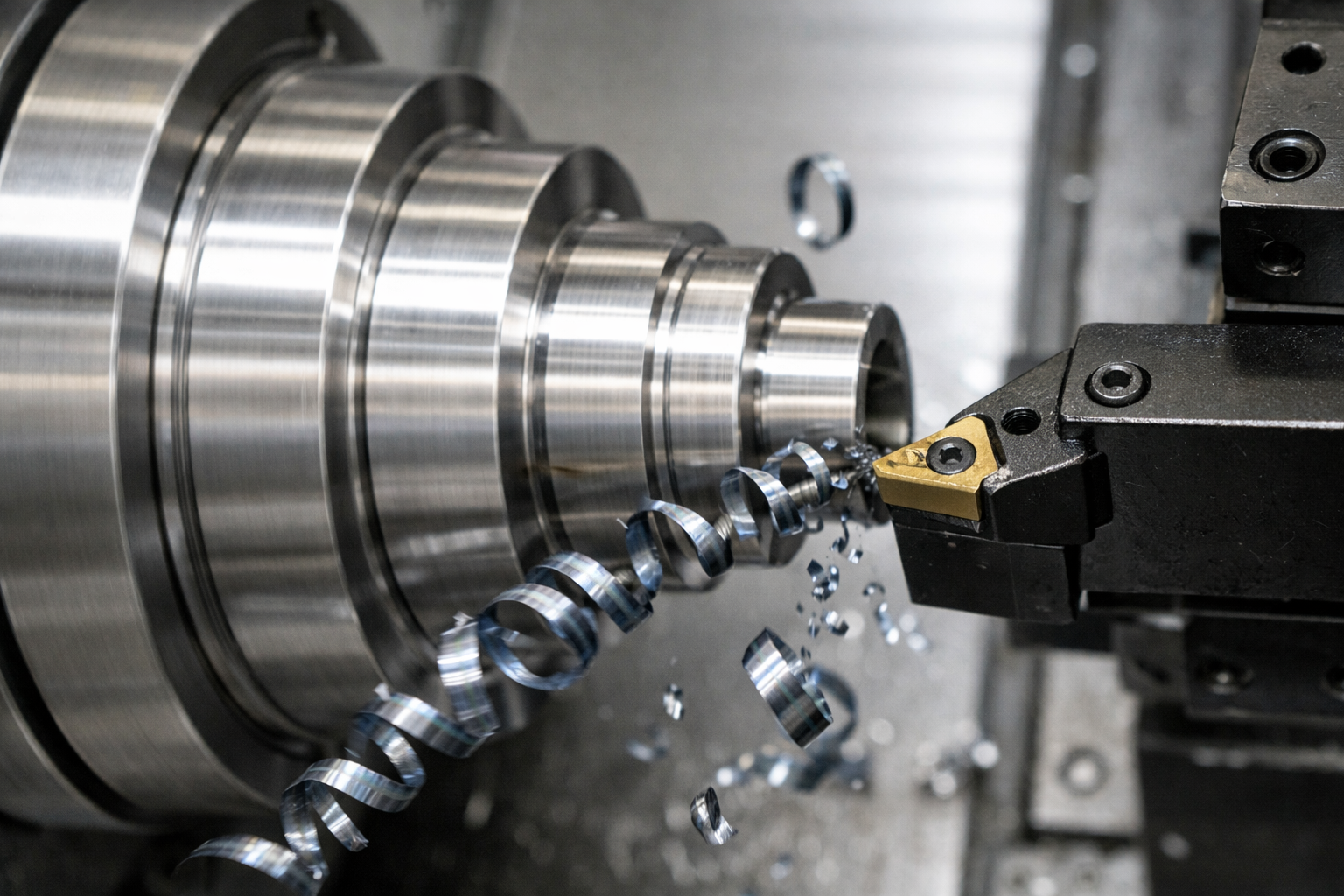
CNC turning process CNC Turning (with Y/C-axis)

CNC turning with Y/C-axis and live tooling for function-driven components, engineered for dimensional integrity, surface quality and repeatability—turning plus milling/drilling features in one controlled setup.

Turn-mill (Y/C-axis) Prototype → series Controlled manufacturing limits
  • Validated strategies for shafts, bushings and turned-milled geometries.
  • Typical surface and tolerance capability defined for RFQ alignment.
  • Final tolerances, surface requirements and constraints confirmed during technical review.

Positioning

CNC turning positioned for function-critical cylindrical and rotational components where concentricity, coaxiality and stable process control drive assembly performance.

  • Focus on controlled datum features, bearing seats and functional interfaces.
  • Set up for RFQ evaluation and repeatable series production.
Scope boundaries

Optimized for controlled tolerances, stable process windows and defined interfaces.

  • Part-family suitability is confirmed during RFQ (geometry, tolerance scheme, material and volume).
  • Final requirements are defined by the drawing and confirmed during technical alignment.

Integration with milling & inspection

Turn-mill features and downstream operations are aligned to deliver assembly-ready parts.

  • Turned + milled features completed in a controlled setup (Y/C-axis, live tooling).
  • Interfaces prepared for downstream assembly and dimensional inspection.

Quality & risk control

Process capability is validated per part family. Risk items are identified during RFQ and addressed prior to series release.

  • Controlled datums, traceable measurement approach, stable process windows.
  • Engineering changes managed through technical review and documented alignment.

Customer interface

Structured technical interface for clarification of geometry, tolerance and process requirements, with disciplined communication throughout the quotation phase and the part lifecycle.

RFQ intake
Drawing review → scope fit → parameters aligned
Series support
Repeatability, documentation discipline, predictable cadence
CAPABILITY STATEMENT

Controlled CNC turning for repeatable, integration-ready parts

Our turning capability supports precision cylindrical components where concentricity, surface finish and stable process control are essential for downstream assembly and long-term performance.

All parts are manufactured build-to-print, strictly according to customer drawings and specifications.

MANUFACTURING LIMITS

Clear boundaries that guide RFQs and ensure predictable outcomes

Typical values below reflect stable, repeatable production conditions. Final requirements are aligned during RFQ review.

Process scope

  • CNC turning operations Turning + turn-mill
  • Configuration Y/C-axis + live tooling
turning drilling threading grooving secondary milling keyways / flats

Achievable quality

  • Typical surface finish Ra 0.8 – 1.6 µm
  • Typical dimensional tolerances ±0.01 – ±0.02 mm

Dimensional capacity

  • Max turning diameter On request
  • Max turning length On request

Spindle

  • Max spindle speed Machine-dependent
  • Power / torque Machine-dependent

Final tolerances, surface requirements and process constraints are confirmed during RFQ review and technical alignment.

PRODUCTION SCOPE

From evaluation parts to repeatable manufacturing programs

Prototype and pre-series manufacturing

Clear convergence from prototype evaluation to series-ready manufacturing.

Low- to medium-series production

Stable process windows and repeatable outcomes for turning and turn-mill components.

Repeatable manufacturing programs

Batch-to-batch consistency, documentation discipline and predictable delivery cadence.

OPERATIONAL CONTEXT

Context for evaluation

Practical overview for RFQ assessment. Detailed machine-level parameters are aligned when your drawing set is reviewed.

Material range

  • Carbon steels
  • Alloy steels
  • Stainless steels
  • Aluminium alloys
  • Other materials upon request

Resources (overview)

  • CNC turning centers for production turning programs
  • Y/C-axis + live tooling turning centers for turned-milled features
  • Additional universal lathes for prototypes and flexible setups

Typical components

  • Shafts and stepped axles
  • Bushings and spacers
  • Flanges and rings
  • Threaded and grooved parts
  • Turned-milled parts (drilled/milled features)
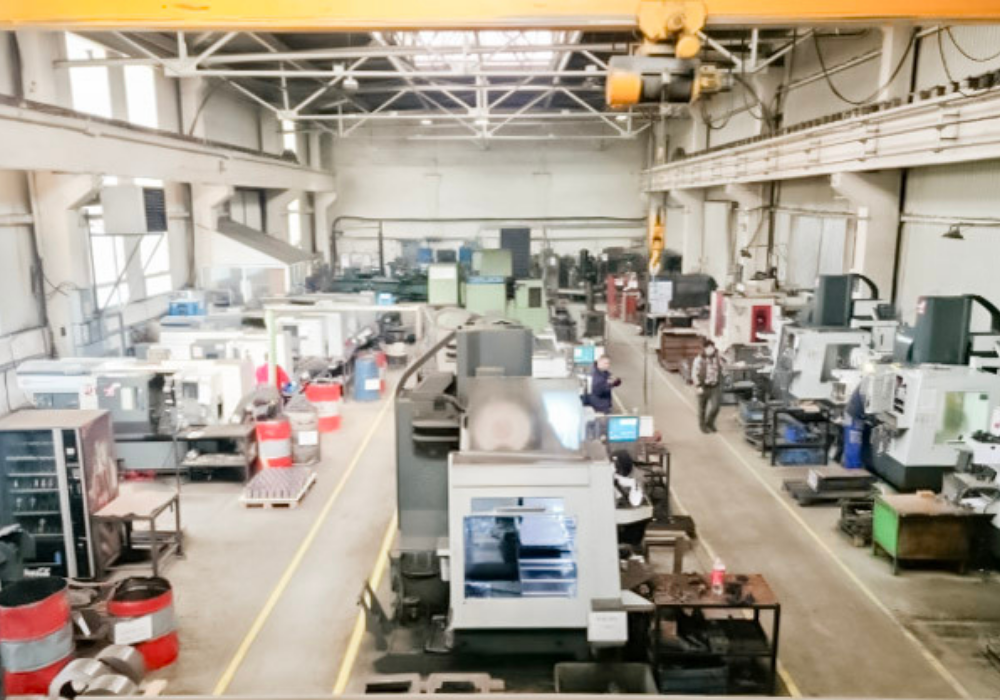
CNC turning environment photo 1
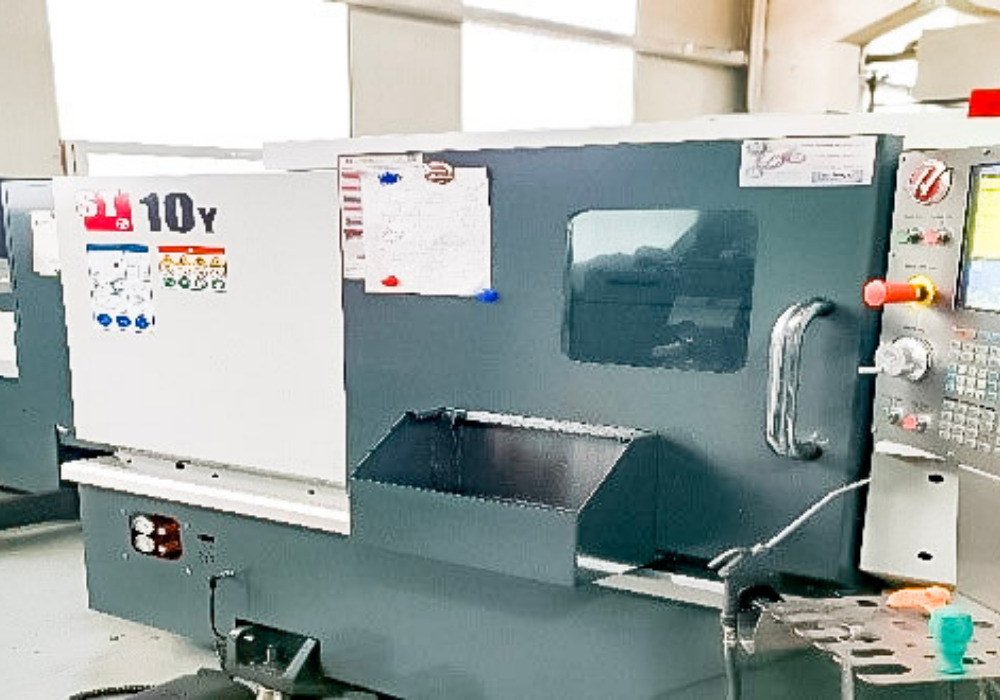
CNC turning environment photo 2